





















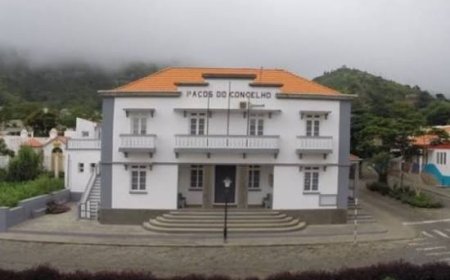



Imbroglio involving the Brava City Council during the Tavares administration raises doubts about the supervisory role of the Municipal Assembly
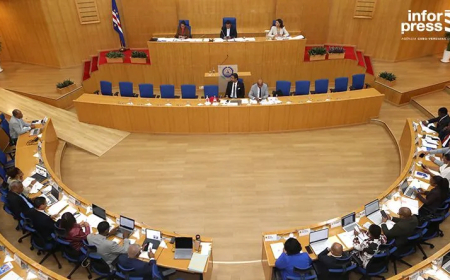
Cidade de Nova Sintra, February 27, 2026 (Bravanews) - The recent situation involving the former mayor of Brava, Francisco Tavares, continues to cause shock waves in the local political scene. As the case of alleged influence peddling and active corruption takes on more defined contours, public scrutiny of the functioning of the oversight institutions - in particular the Brava Municipal Assembly, at the time chaired by Fernanda Fidalgo de Burgo - is also growing.
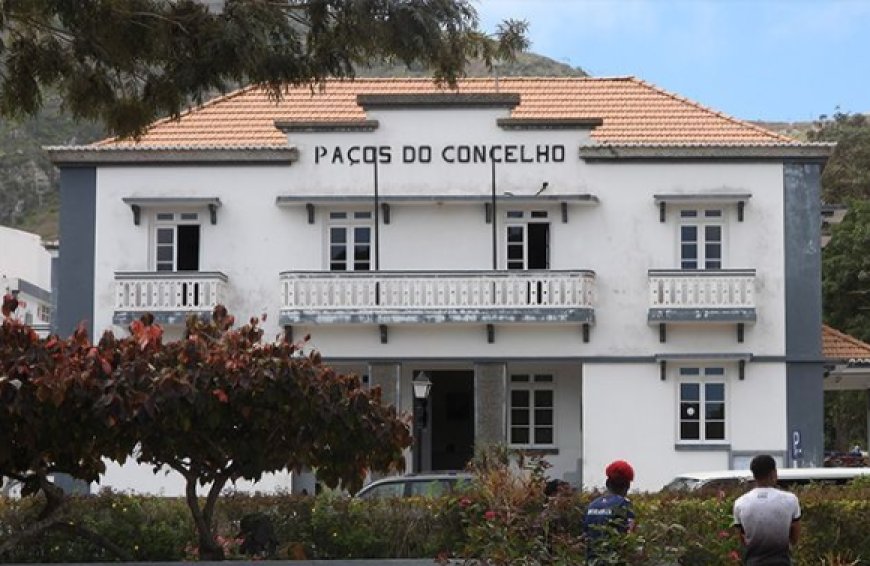
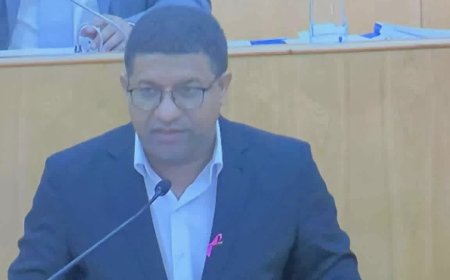
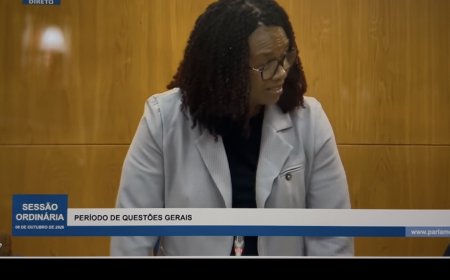
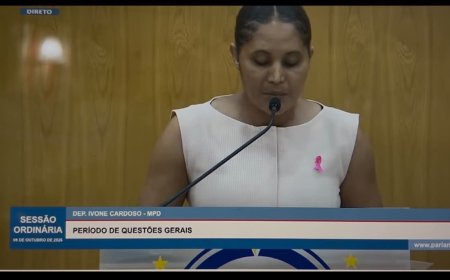
During the period in which Francisco Tavares led the municipality, the Municipal Assembly approved, with the favorable votes of the MpD deputies, successive municipal budgets, activity plans, as well as reports and accounts presented by the municipal executive. This now raises an unavoidable question among residents and observers: to what extent has the Assembly effectively and rigorously exercised its supervisory role?
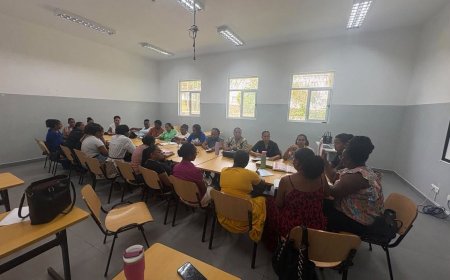
Under Cape Verde's legal system, the Municipal Assembly is the main deliberative and supervisory body for the activity of the Municipal Council. It is responsible not only for approving structural documents, but also for monitoring, questioning and demanding clarification whenever there are indications of irregularities or mismanagement.
Local governance experts interviewed by Bravanews stress that the systematic approval of management instruments is not, in itself, proof of a failure to monitor. However, they warn that the absence of critical debates, audit requests or formal recommendations can indicate weaknesses in the exercise of political control.
"Oversight isn't just about voting on documents; it's about scrutinizing, questioning and, when necessary, stopping decisions," says a source linked to local government.
Another element that comes into the equation is the correlation of forces within the Municipal Assembly. At the time with a majority of the MpD - the same party that supported the municipal executive - analysts point to the risk of excessive political alignment, a phenomenon that, although not illegal, could reduce the intensity of scrutiny.
Still, legal experts point out that the responsibility for oversight is institutional and not partisan. In other words, even in contexts of a comfortable majority, municipal deputies retain the legal and political duty to exercise vigilance over municipal management.
In view of the current scenario, there are many possible interpretations. Some speak of a possible political overconfidence in the reports presented by the then executive. Others admit the possibility of technical limitations or limitations in the means of the Municipal Assembly itself to carry out in-depth financial and administrative supervision.
On the other hand, more critical voices are beginning to question whether there has been political sloppiness or an insufficient culture of accountability in Brava's local government.
It is important to stress, however, that so far there has been no formal indication of direct responsibility on the part of the Municipal Assembly or its president for any irregularities under investigation.
So far, the presidency of the Municipal Assembly, led by Fernanda Fidalgo de Burgo, has remained publicly silent on the matter, which has fueled political and media pressure for clarification.
People argue that this could be an opportune moment for an in-depth reflection on the democratic control mechanisms in the municipality, as well as for the possible reinforcement of technical inspection capacities.
The case involving the former mayor could become an important test of the robustness of Brava's municipal institutions. Regardless of the judicial outcome, experts agree that the episode exposes the need to strengthen the culture of scrutiny in municipal assemblies, improve auditing and monitoring instruments, promote greater transparency in municipal management, and separate, in practice, party discipline from the supervisory function.
While the process goes through its legal channels, the question that echoes among the Bravense population remains in the air: has the Municipal Assembly done everything it should to supervise the Council, or does this case reveal weaknesses in the local control system?